My Favorite Nurse Calls Me Mom Retro SVG: A Designer’s Take
I’ve spent years testing embroidery designs, and I know that a good-looking file on screen doesn’t always translate to a clean stitch-out. When I first opened My Favorite Nurse Calls Me Mom Retro SVG, I immediately saw a design with a clear sentimental pull and a layout that could genuinely work across a range of handmade products. But this is a graphic file, not a ready-to-stitch embroidery file, so I had to think through how it would actually behave once digitized and hooped up. My evaluation is based on real project use: how the design reads, where it fits, and what small business owners need to watch before adding it to a product line.
First Impressions: The Mood and the Shape
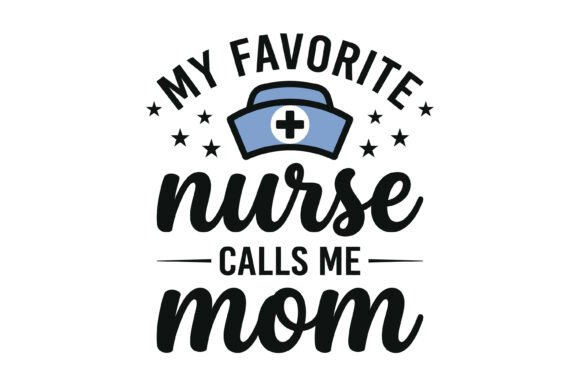
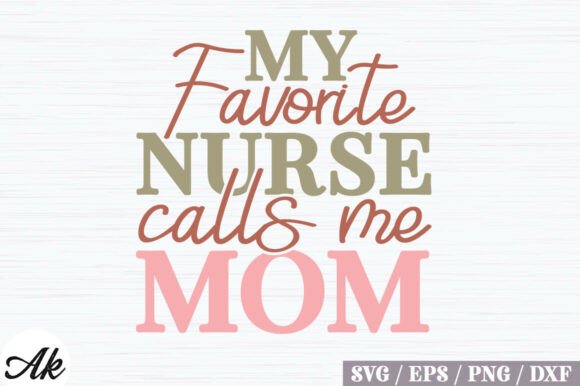
The retro feel of My Favorite Nurse Calls Me Mom Retro SVG hits instantly. The lettering has that slightly rounded, friendly shape that reminds me of vintage nurse uniform badges or old-school greeting cards. It’s not overly fussy, which is a plus when you’re thinking about thread and fabric. The word “Mom” sits at the center of the visual message, and the phrase “My Favorite Nurse Calls Me” wraps around it with a warm, personal tone. This isn’t a sterile medical design; it’s meant to pull at heartstrings. For embroidery, that emotional connection is gold. It turns a simple tote bag or sweatshirt into a keepsake.
The layout is fairly compact. When I mentally digitize it, I see a design that could hold its own as a left-chest placement on a polo shirt or a centered front piece on a baby onesie. The text doesn’t sprawl out endlessly, which means you won’t be forced into oversized hoops. I’d estimate it could fit comfortably in a 4x4 or 5x7 hoop depending on digitizing choices, but I always recommend checking the actual SVG dimensions and scaling it carefully in your embroidery software. The lack of extreme thin lines in the lettering suggests that satin stitches and small fill stitches could reproduce the retro vibe without too much headache.
Where This Design Truly Belongs
I mentally ran through a list of real-life projects while studying My Favorite Nurse Calls Me Mom Retro SVG. The first image that came to mind was a custom embroidered tote bag for a nurse’s mom. Tote bags are a staple for craft fairs and Etsy shops; they offer a flat, stable surface, and the canvas texture hides minor stitch imperfections. A retro design like this, stitched in a soft cream thread on a navy tote, would look like a boutique find. The same goes for a kitchen towel or a pillow cover. I can see it as a heartfelt gift for a nurse’s mother on Mother’s Day or a holiday.
Apparel is the next obvious category. A sweatshirt with this design embroidered on the front would be a bestseller in a small shop that focuses on nurse appreciation gifts. I’d lean toward a unisex crewneck in a heathered gray or dusty pink. The retro shape works beautifully with the relaxed feel of a sweatshirt. T-shirts are trickier because of the stretch, but with the right cutaway stabilizer, the design can hold up. I’d avoid extremely thin, drapey tees because the satin stitching might tunnel. Baby clothes and toddler raglans are also a lovely match; the sentiment “My Favorite Nurse Calls Me Mom” becomes a proud statement on a tiny onesie. Just be mindful of the small size and use a soft, low-density fill so the fabric doesn’t become stiff.
For those who make embroidered patches, this design is a natural fit. The compact shape and the retro lettering would make a charming iron-on patch. I’ve done similar projects where the SVG is used as a template for an applique design. You could cut the main shape from a knitted fabric and stitch the details around it, creating a textured, dimensional patch. Caps and hats are another option, though the curved surface demands careful hoop positioning and a center-out sew sequence. I’d test the design on a structured cap first before offering it to customers.
Stitching Reality: What Actually Works
When I digitize a design like this, I look at the visual weight. The retro style of My Favorite Nurse Calls Me Mom Retro SVG often implies a slightly chunky lettering. That’s good for embroidery because it allows for a clean satin stitch without constant trims. I’d probably use a combination of satin columns for the main words and a light fill stitch for any decorative elements that might be part of the retro look. If the SVG includes small stars, dots, or flourishes, I’d simplify them. Tiny details that are charming in a print file can become a mess of thread nests when stitched at a small scale. As a designer, I always test the design on scrap fabric first, adjusting the stitch density and pull compensation until the text looks crisp, not puckered.
Thread color choice is crucial. The retro aesthetic often pairs well with muted tones: mustard yellow, olive green, dusty rose, or a vintage teal. I’d avoid neon or overly bright colors because they clash with the nostalgic mood. On dark fabric, a light cream or soft gold thread makes the design pop without losing the retro feel. I’d also test the design in a black-and-white mockup to see if the value contrast holds up. If the text and background are too close in tone, the message gets lost. This is something I learned the hard way with a baby embroidery project that looked gorgeous on a screen but turned into a blurry mess on a pale pink onesie because the thread blended in.
Real-Life Scenario: The Nurse Mom Tote
Let me walk you through a project I’d actually do. A customer wants a personalized tote bag for her mother, who is a nurse. She loves the phrase “My Favorite Nurse Calls Me Mom” and wants it on a sturdy canvas bag. I’d take the SVG, bring it into my digitizing software, and scale it to about five inches wide. I’d set the lettering as satin stitches with a slight angle for the retro feel. I’d add a running stitch underlay to keep the threads from sinking into the canvas. Then I’d hoop a piece of medium-weight cutaway stabilizer, float the tote, and stitch it out in a soft cream thread. The result would be a clean, readable design with a handmade warmth that a printed transfer can’t match. That’s the kind of finished product that makes a customer come back and order three more for her friends.
I’d also consider a matching set: a tote bag and a zippered pouch, both with the same design. Small business owners who sell nurse-themed products or personalized gifts could easily build a whole collection around this one SVG. The cohesive look makes the brand feel intentional, not random.
Where Caution Is Necessary
No design is a one-size-fits-all magic solution. My Favorite Nurse Calls Me Mom Retro SVG has some natural limitations that I’d be upfront about. First, the lettering, while appealing, might have thin upstrokes or delicate serifs depending on the retro font. If the SVG uses a very thin stroke weight, those areas can become problematic when digitized at a small size. On a baby onesie, the lettering might need to be simplified or thickened. I’d test it at the actual stitch size and possibly increase the minimum width of the satin columns by a fraction of a millimeter.
Second, textured fabrics like terry cloth or waffle weave can distort the lettering. The retro shape relies on clean edges, so a plush fabric might swallow the stitch definition. I’d stick to smooth, tightly woven fabrics for the best result. Dark fabrics with a high-contrast thread can work, but if the thread is too light, the underlay might show through, so I’d use a matching bobbin thread and a dense underlay. Stretchy fabrics like performance tees or thin knits will need a no-show mesh stabilizer and careful hooping; otherwise, the design can ripple. I’ve ruined enough test pieces to know that the stabilizer isn’t optional.
I’d also be careful with the smallest details. If the SVG includes tiny decorative dots or stars, I’d either remove them or enlarge them. In embroidery, a detail that’s less than one millimeter wide often doesn’t stitch cleanly. Better to have a slightly simplified design that looks professional than a cluttered one that looks like a thread snag.
Commercial Use and Selling Finished Products
For craft business owners, the licensing question is critical. My Favorite Nurse Calls Me Mom Retro SVG is listed as a graphics file, likely intended for cutting and printing. Before you digitize it and sell embroidered items, you need to check the license terms that come with the download. The product description doesn’t specify commercial embroidery rights, so I’d contact the seller or read the included license file carefully. Many SVG sellers allow physical product sales but not the resale of the digital file itself. As a designer, I never assume. I keep a folder of licenses for every design asset I use in my shop, and I encourage my peers to do the same. It protects your business and respects the original artist.
When you do sell finished products, the design’s appeal is a trust builder. A nurse or a mother of a nurse sees the phrase and instantly feels understood. It’s a highly specific, emotional connection that generic designs lack. That recognition can translate into faster sales, especially around Mother’s Day, Nurses Week, or the holiday season. I’d feature the design in a listing that shows the embroidered tote bag on a clean, light background, with a close-up of the stitch quality. The retro vibe photographs well, and the handmade feel is unmistakable.
Practical Designer Notes for a Smooth Project
I always keep a running checklist when I’m testing a new design like My Favorite Nurse Calls Me Mom Retro SVG. Here’s what I’d do before stitching on a final product:
- Test on scrap fabric first. A piece of cotton twill or canvas that mimics the final fabric weight will reveal any digitizing issues.
- Check thread color contrast. Lay the chosen thread on the fabric under natural light and see if the design stands out.
- Review stitch density. Too dense and the fabric puckers; too sparse and the fabric shows through. Adjust in your software.
- Confirm hoop size. Don’t force a design into a hoop that’s too small. The design needs breathing room for the presser foot.
- Inspect small details. Simplify any elements that are less than 1.5 mm wide.
- Test in black and white. A quick monochrome preview helps you see if the design relies too much on color and not enough on shape.
- Use the right stabilizer. Cutaway for knits, tear-away for wovens, and a topping film for plush fabrics.
- Check for fabric texture. A retro design needs crisp edges; avoid heavily textured fabrics unless you’re going for a distressed look.
I also recommend running a stitch-out on a curve simulator if you plan to use the design on caps. A flat embroidery can look warped on a curved surface, so you might need to adjust the design’s arc in your software. Even a small tweak makes a huge difference in the final appearance.
Why This Design Builds Customer Trust
In the handmade market, trust is everything. When a customer receives a sweatshirt with My Favorite Nurse Calls Me Mom Retro SVG embroidered on it, they’re not just buying a garment; they’re buying a feeling. The retro style feels nostalgic, personal, and intentional. It doesn’t look like a mass-produced logo. It looks like something a thoughtful person made. That’s the kind of brand perception that brings repeat buyers and five-star reviews. The design’s readability is strong, and the message is clear, so there’s no confusion. A buyer sees it and immediately knows it’s a gift for a nurse’s mom, or a treat for herself. That clarity reduces hesitation and increases conversion.
The design also works well in printable mockups if you want to test product ideas before committing to full embroidery runs. You can import the SVG into a mockup template, see how it looks on a tote bag or a baby bodysuit, and gauge customer interest. Then, when you digitize it for embroidery, you already have a validated concept. This approach saves time and money, especially for Etsy sellers who test multiple designs each season.
Final Thoughts on the Design’s Practical Value
My Favorite Nurse Calls Me Mom Retro SVG is a strong candidate for embroidery projects that center on heartfelt, personalized gifts. Its retro shape, emotional wording, and compact layout give it real versatility across tote bags, apparel, patches, and home decor. The biggest practical hurdles are the digitizing step and the need to simplify any overly delicate details. But for a craft business owner who knows how to adjust stitch properties, it’s a design that can fill a specific niche with warmth and authenticity. I’d happily use it for a Mother’s Day collection or a nurse appreciation line, and I’d recommend it to fellow makers who value designs that tell a story.
As always, the success of the finished product depends on the care you put into the digitizing and stitching process. Test thoroughly, choose fabrics wisely, and respect the license. When you do, this little retro gem can become a bestseller in your shop.